Don Olivo Chocolate Tour in La Fortuna
On the Don Olivo chocolate tour in La Fortuna, the finished chocolate is the last part of a story that begins on a farm. A visit gives you a chance to see cacao in its growing environment and follow the decisions that turn its seeds into something you can taste. The farm describes its visit as a roughly two-hour walk and demonstration. For a relaxed day in Arenal, give the farm its own block of time and plan your onward activity around it.
What the farm visit covers
Don Olivo describes a guided walk through its family farm, cacao processing demonstrations and opportunities to taste chocolate and other farm products. The operator also mentions coffee, fruit and spices. Ask what the farm expects to offer on your date if a particular product matters to you. A good reason to visit is the chance to connect a flavour to the plant or process that produced it.
Give yourself time to see the plants
Pay attention when the guide stops at a cacao tree. Look at where the pods grow and ask how workers decide when to harvest them. When a pod is opened, compare the fresh pulp around the seeds with the chocolate you know. The two textures give you a memorable way to understand just how much work happens between harvest and the final tasting. Ask before picking anything from a tree or handling the display.
Follow the steps from cacao pod to chocolate
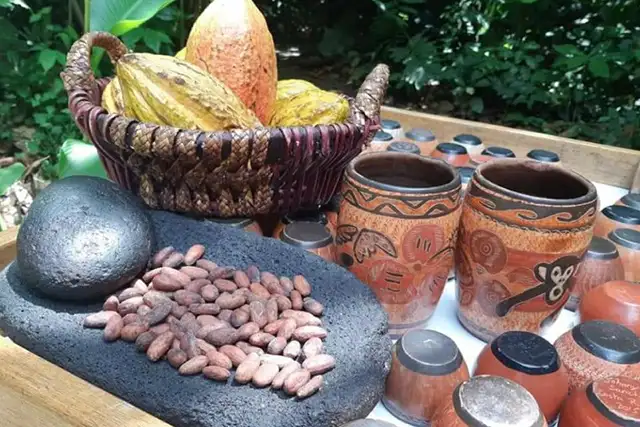
Fermentation and drying take place after harvest. A demonstration can show you materials at different stages within a single visit. Ask which beans you are looking at and what has already happened to them. Comparing a freshly opened pod with dried or roasted beans makes those stages easier to remember than a list of technical terms. If you can smell two samples, notice how the aroma changes as processing progresses.
Watch the grinder closely
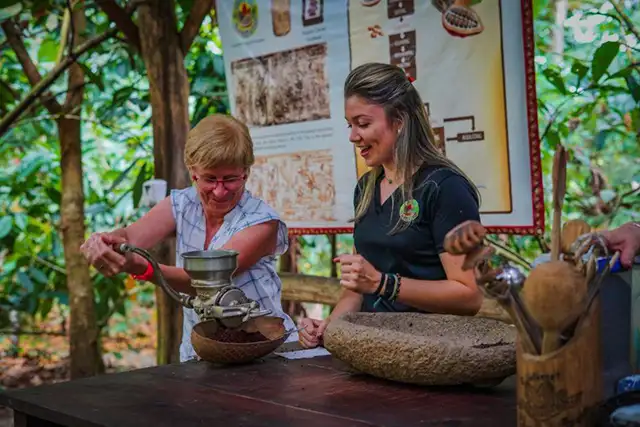
Don Olivo describes a chance to grind cacao using a mill. Notice how the material changes as it passes through the mechanism and ask what the guide will do next. In a family group, agree to take turns so children who want to try have a chance to participate. Let the guide decide who can handle equipment and when. A short turn with the grinder can be the detail a child remembers months later.
Ask a question you can answer by tasting
If the guide presents more than one preparation, pick a simple comparison. Try describing which seems more bitter or which has the strongest roasted aroma. If sugar or another ingredient is added, see what changes in the flavour. This makes tasting useful even for someone who rarely eats chocolate. Give yourself a moment between samples and let everyone describe what they noticed in their own words.
Choose a time that works for your group
Start with the time you need to leave your accommodation, then allow for the drive, arrival and check-in. A scheduled farm visit works best when the next booking has room to move. If you have a fixed afternoon departure or a dinner reservation, share it with the planner before locking in the farm time. Check the meeting point on your confirmation and use the exact property name when arranging a ride.
Ask about walking and weather
A Don Olivo cacao farm tour includes time outdoors. Ask about path surfaces, places to sit, distances between stops and how the farm handles rain. Closed shoes you can comfortably walk in, a light rain layer and a small bag for your belongings are practical choices. If someone uses a stroller or mobility aid, describe the equipment and ask which parts of the visit can accommodate it. Confirm those details before paying for a visit that depends on them.
Prepare children for the order of the visit
A child may hear the word chocolate and expect tasting to start immediately. Explain that there will be time looking at plants and watching the guide before samples are offered. Give them a simple task, such as spotting a pod or describing the smell of a roasted bean. Ask the farm how it handles young visitors, including time standing and participation at the grinder. Plan a proper meal around the tour based on your family’s usual schedule.
Choose the right focus for a mixed group
Ask each traveller what they want to take away from the visit. A keen cook may want to know about roasting or the texture of ground cacao. Someone interested in agriculture may have questions about harvesting and how the farm decides what else to grow. A child may simply want to try a new flavour. Tell the guide which of those interests you share and leave room for questions as you go. You can also bring a small notebook to record the names of any unfamiliar fruits or spices you encounter.
Confirm tasting arrangements in advance
Mention allergies or dietary needs when you enquire and ask the farm to explain the ingredients and how it handles shared equipment. If you need to skip some samples, ask whether you can still take part in the walk and demonstration. Visitors who avoid caffeine may also wish to ask about the coffee portion. Confirm any accommodation directly with the operator for the specific visit you plan to book.
Combine the farm with one other activity
For an Arenal day that includes a morning rainforest walk, a later farm visit can give your group a change of pace. Allow a break for lunch and transport. If food and farming are the main interests, keep the farm as the anchor and choose a flexible stop afterward. Consider how much time your group wants on its feet across the whole day before adding a second walk.
Visiting from the Guanacaste coast
If your accommodation is in Playas del Coco, ask Private Costa Rica whether the farm fits your Arenal itinerary and request a schedule with pickup and return estimates. A short activity can still involve a long day when you start from the coast. If you are moving between regions, ask whether the farm can be scheduled around your accommodation change. Include any time you need for check-in and confirm how luggage will be handled.
Frequently asked questions
Use the answers below to check the details that affect your visit.
How long is the Don Olivo chocolate tour?
The farm describes the experience as about two hours. Allow separate time for transport, check-in and any meal or other stop you plan to make.
Will we make chocolate ourselves?
The farm describes hands-on grinding. Ask which steps your group can try, how participation is managed and whether the format changes for a large group.
Is coffee part of the visit?
Don Olivo mentions coffee alongside cacao and other farm products. Confirm which samples are planned if the coffee portion is important to your booking.
Can we book the farm as part of a private tour?
Ask Private Costa Rica for a quote covering the farm and your preferred Arenal stops. Confirm whether transport is private, whether the farm visit is shared, and whether admission is included.
What should I ask about if my plans depend on the weather?
Ask which parts of the tour take place outdoors and what happens to a reservation if the farm adjusts the route. If the visit is one of several prepaid stops, check which bookings can move and who you should contact. Bring your confirmation so you can refer to the agreed time and meeting point.
Plan your cacao farm visit
Start with the Private Costa Rica chocolate tour. Review other Arenal activities if you want to add a stop. Then request an itinerary with your date, group size, accommodation and tasting or access questions. A clear request lets the planner check available times and suggest a workable order for the day.