Inshore Fishing from Playas del Coco: Your First Half-Day Trip
Inshore fishing from Playas del Coco gives a first-time angler a clear way to try a private fishing outing while staying based on the Guanacaste coast. You do not need to arrive with a favourite rod or a list of technical terms. A better starting point is to decide who wants to fish, how comfortable everyone feels on a boat and what would make a few hours on the water enjoyable for your group.
What the outing is built around
Private Costa Rica describes its inshore program as fishing around coastal structure such as reefs and rocky points in the Papagayo area. Its listings include half-day options, with boats and fishing tackle presented on the excursion page. Treat those details as the starting point for a dated quote, rather than assuming every boat, duration or inclusion is identical. The captain chooses the working route in response to conditions and the fishing plan.
Choose a realistic first-trip goal
For a beginner, a worthwhile goal might be learning how the crew prepares a line, recognising a bite and trying to bring in a fish with help. For a family, it might be taking turns and enjoying the coast together. Tell the provider if one person is a keen angler and the others are mainly accompanying them. That difference affects the boat you need and how the day should be organised.
What does half a day actually mean?
When searching for half day fishing Playas del Coco, separate charter time from the full time away from your accommodation. Registration, getting to the boarding point, boarding and the journey back to your hotel all take time. Ask when the charter clock starts and whether the stated duration includes travel between fishing areas. A four-hour listing does not necessarily mean four uninterrupted hours with a line in the water.
Picture the sequence before you reserve
A useful planning outline is to meet the crew, board, receive the briefing, travel to the first area and begin fishing with guidance. The captain may reposition the boat, change the approach or spend time preparing equipment. There may be quiet periods as well as moments when everyone needs to pay attention. This is a practical picture of a fishing trip, not a promised running order or a timetable for catching fish.
Leave a margin after returning
Keep your next commitment flexible. You may want time to rinse off, change clothes and have lunch after the outing. Avoid placing a tightly timed transfer or an important reservation immediately after the advertised return. If another activity is essential that afternoon, mention it while arranging the charter so the provider can assess whether the proposed plan leaves enough room.
Choose the boat for the whole group
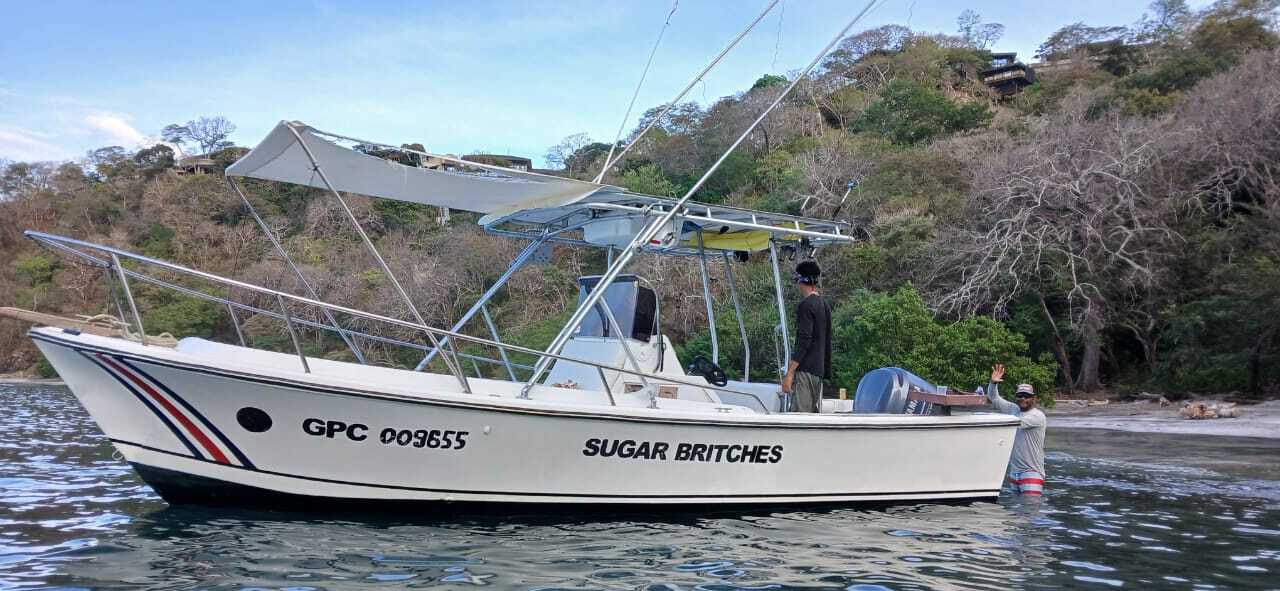
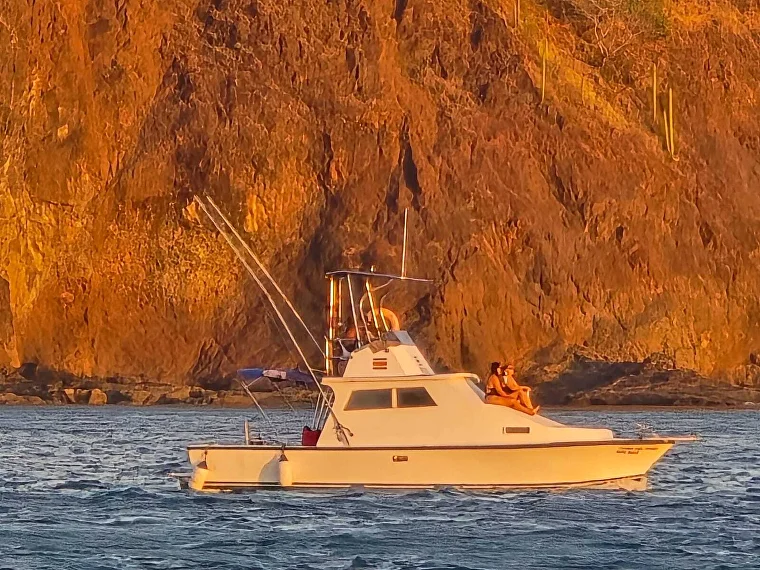
A passenger limit tells you whether a boat can accept the party, but it does not fully describe comfort. Ask about usable shade, seating while travelling, space to move around rods and whether there is a toilet on the specific boat. Request a current photograph if those features determine your choice. Confirm the actual vessel rather than choosing only from a general fleet description.
Tell the crew who will participate
Give both the total number of passengers and the number who expect to fish. Include children's ages and explain any concern about stepping aboard or moving on a wet deck. Ask how turns are managed and what help is available to someone holding a rod for the first time. Being a non-angler does not remove the need for suitable seating, shade and a clear briefing.
Clarify the boarding arrangements
Confirm the meeting point, how you reach the boat and whether any part of boarding involves a tender, steps or getting your feet wet. Explain balance or mobility concerns before payment. Do not assume a photograph taken beside a beach shows the boarding method for every departure. If hotel transport is needed, request it explicitly and check the pickup address and meeting instructions together.
Learn at the crew's pace
Tell the captain you are new to fishing and want the basic instructions explained. Listen before handling rods, hooks or lines, and keep clear when the crew is working. Ask where to stand, when to take a turn and how to signal that you need help. A good first outing is easier to enjoy when everyone understands their role, rather than trying to imitate an experienced angler without guidance.
Keep expectations about fish flexible
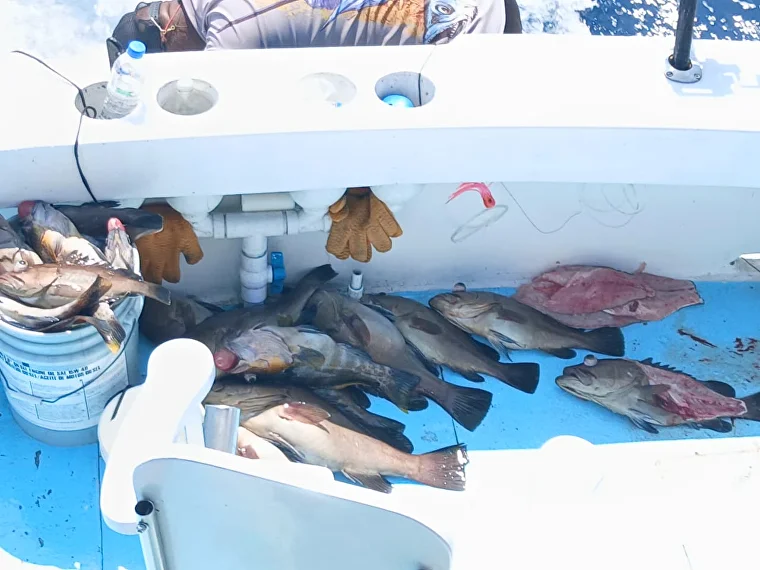
The site's inshore description names species including roosterfish, snapper, jacks and mackerel. These are possibilities to discuss, not a checklist a charter must deliver. Ask which targets are realistic for your date and what the captain proposes if the first approach is unproductive. Photographs record a particular occasion; they cannot establish what will happen during your visit.
Check licence arrangements in advance
INCOPESCA states that people practising sport fishing from a boat must carry the corresponding sports fishing licence. Ask which members of your party need one, who arranges it and whether its cost is included in the quote. Use the official INCOPESCA licence information to check the current process. Resolve this before departure rather than assuming that a private boat booking covers each participant's paperwork.
Discuss release and any retained catch
Tell the crew your preferences before fishing begins, and ask what handling and release procedures apply to the species encountered. Follow the captain's instructions and current rules. If keeping an eligible fish matters to your group, clarify that possibility and any cleaning arrangements beforehand. Do not plan a restaurant meal around an assumed catch or treat every fish in a gallery photograph as something you may retain.
Pack for the boat, not just the photograph
Bring sun protection, a secure hat, drinking water if it is not confirmed as supplied and a small protected bag for essentials. Follow the operator's footwear guidance and keep loose items out of working areas. Mention any history of discomfort at sea when planning the trip; proximity to shore does not promise still water. Check the weather-change policy and who will contact you if the captain alters or cancels the departure.
Frequently asked questions
Use these points to turn a general fishing enquiry into a clear plan for your first charter.
Can a complete beginner join an inshore fishing trip?
The site's fishing options are presented for beginners as well as experienced anglers. Tell the provider it is your first trip and ask how the crew introduces equipment, gives assistance and shares turns among participants.
Will a half-day trip guarantee a catch?
No. Fishing involves changing conditions and fish behaviour. Agree realistic targets with the captain, but choose the outing for the experience of fishing and learning rather than a promised number or size of fish.
Can someone come along without fishing?
Ask before reserving and include them in the passenger count. Check seating, shade and the boat's suitability for the whole party. Clarify any licence question separately for participants who actually fish.
Are hotel transfers and licences included?
Read the specific quote. Ask the provider to separate the boat, crew, tackle, refreshments, transport and licence arrangements, so you can see what is included and what requires an additional booking or payment.
Can we add swimming or another stop?
Discuss this in advance rather than assuming it can be inserted into fishing time. The captain needs to assess conditions and the program. Your group should decide whether fishing or a broader coastal outing is the main priority.
Plan your private inshore fishing outing
Review the inshore fishing excursion and other ocean tour options, then request a personalised plan from Private Costa Rica. Share your date, accommodation, passenger count and experience level. State any needs for boarding, shade or a non-fishing companion so the proposal fits the people on board.