Vandara Cultural Tour: Coffee and Sugarcane in Guanacaste
A cup of coffee can give a day trip a different rhythm. Instead of moving straight from one activity to the next, you stop to watch how something familiar is prepared and ask about the people and work behind it. For travelers staying in Playas del Coco, the Vandara cultural tour offers a way to bring that kind of curiosity into a Guanacaste excursion.
Private Costa Rica lists Vandara among its adventure outings near Rincon de la Vieja. This guide focuses on the cultural stop rather than comparing every activity in the park. It explains what the destination currently describes, what to look for during demonstrations, and how to give coffee and sugarcane more than a passing place in your itinerary.
Start with the cultural experience you actually want
There are two quite different reasons to look for a cultural outing. One is to enjoy a short introduction to local food and traditions within a varied day. The other is to spend most of the day studying a particular crop, craft or community. Before booking, decide which describes your interest.
The Private Costa Rica Vandara tour is presented as a combination of activities. Treat its cultural component as part of that broader setting. If your main ambition is a detailed coffee-production visit, say so explicitly: watching coffee brewed does not, by itself, mean touring a coffee plantation, processing facility or roasting operation.
A useful request is simple: “We are especially interested in the coffee and sugarcane demonstration. Please confirm the time available for that part.” This gives your planner a clearer priority than asking for a day that includes everything. It also makes it easier to judge whether the proposed schedule answers your actual interests.
What the park describes today
The destination website currently uses the name Rincon Thermals & Adventures, while the excursion on this site is listed as Vandara. When comparing information, share the tour page with your planner and ask them to confirm the destination, current pass and cultural program together. Different names and package descriptions are a reason to clarify the booking, rather than assume every listing is identical.
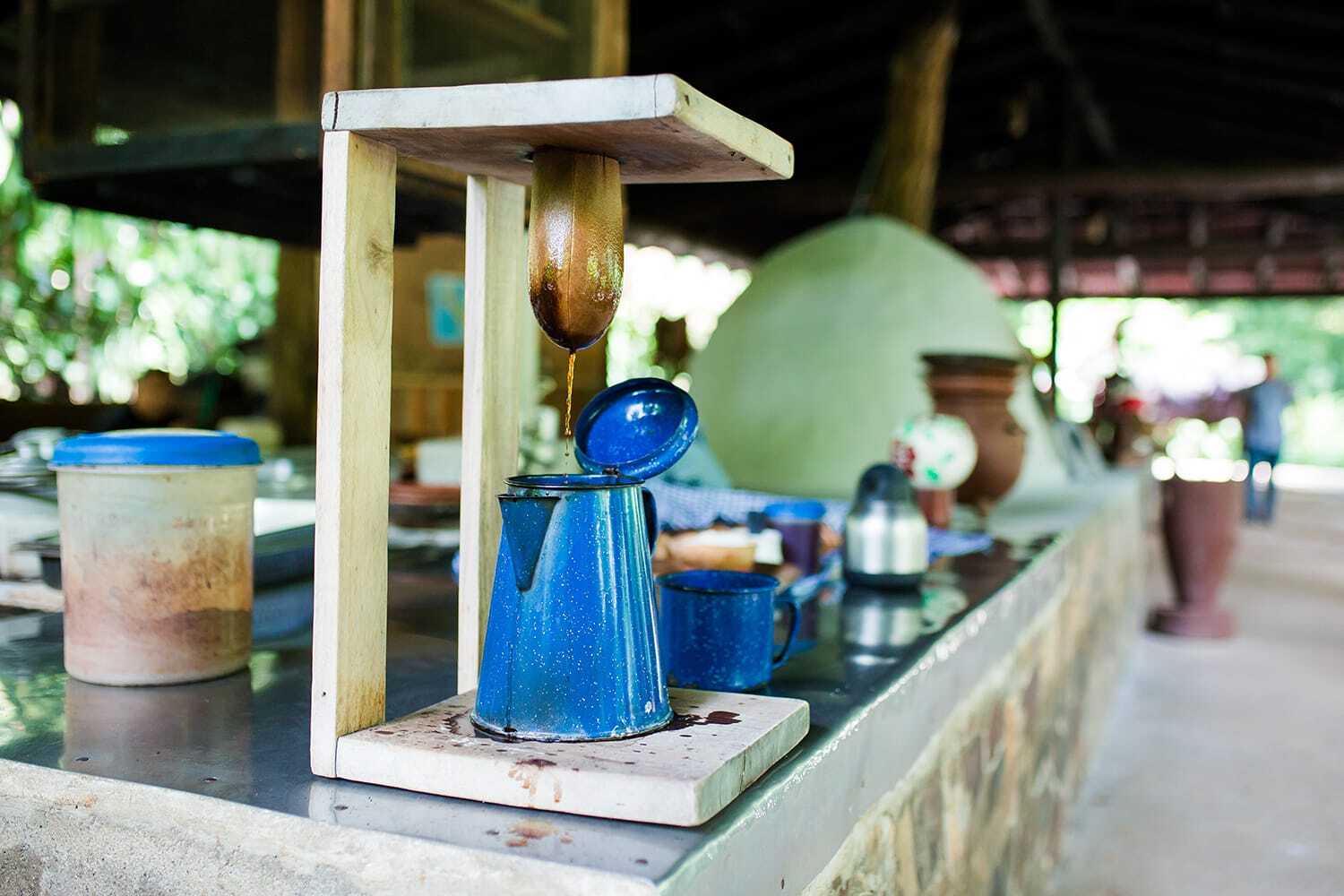
The destination's cultural description mentions traditionally filtered coffee, pastries made on site and a demonstration of old-fashioned sugarcane pressing with an ox. Its current homepage also highlights sugarcane demonstrations and an organic garden. These are useful reference points, but the order, tastings and activities for your date should be confirmed with your booking.
Watch the coffee preparation, not just the final cup
The park calls the preparation cafe chorreado. Look at the cloth filter, the support that holds it and the way the coffee is poured. This is an opportunity to notice a brewing method rather than race through another tasting. Ask the host what they are doing and why; their explanation can make an ordinary-looking arrangement much more memorable.
If you enjoy making coffee at home, consider what you would want to understand before trying a similar preparation yourself. You might ask about the grind, how the filter is cared for, or whether the coffee is usually served sweetened. Let the host explain their practice rather than expecting a universal recipe that every household follows.
You can still value the stop without drinking coffee. Watching, listening and asking questions are worthwhile forms of participation. Tell your planner if anyone avoids caffeine, and do not assume that an alternative tasting will automatically be available.
Understanding the sugarcane demonstration
A Guanacaste sugarcane tour is most rewarding when you pay attention to the process as well as the sweet result. In its article about sugarcane traditions, the destination describes its traditional mill experience and discusses sugarcane juice and sugarcane-based products. Use that as a starting point for questions during your visit, rather than a promise that every production step will be shown.
Ask the guide to identify the cane, explain the pressing mechanism and show where the liquid goes. Then ask what happens next. Separating extraction from later preparation helps you understand what you have actually witnessed. A mill demonstration, a tasting and a complete production tour are different experiences, even when their descriptions use similar words.
With children, one good question can be more engaging than a long explanation: “Which part of the plant are we using?” Older children might compare the tools with something they already know from a kitchen. Give them time to observe before moving on, and follow staff instructions about where to stand around machinery and animals.
Approach the demonstration respectfully
Ask before touching equipment, approaching an animal or stepping into the demonstration space for a photograph. If a host is explaining a step, watch first and take the picture afterward. A few considered photographs usually preserve the story better than a long sequence made without listening.
Avoid treating one demonstration as a complete picture of life in Guanacaste. It is an introduction provided in a visitor setting. The most interesting conversations often come from specific questions about a tool, ingredient or technique, with room for the host's own explanation.
Give culture a clear place in the wider day
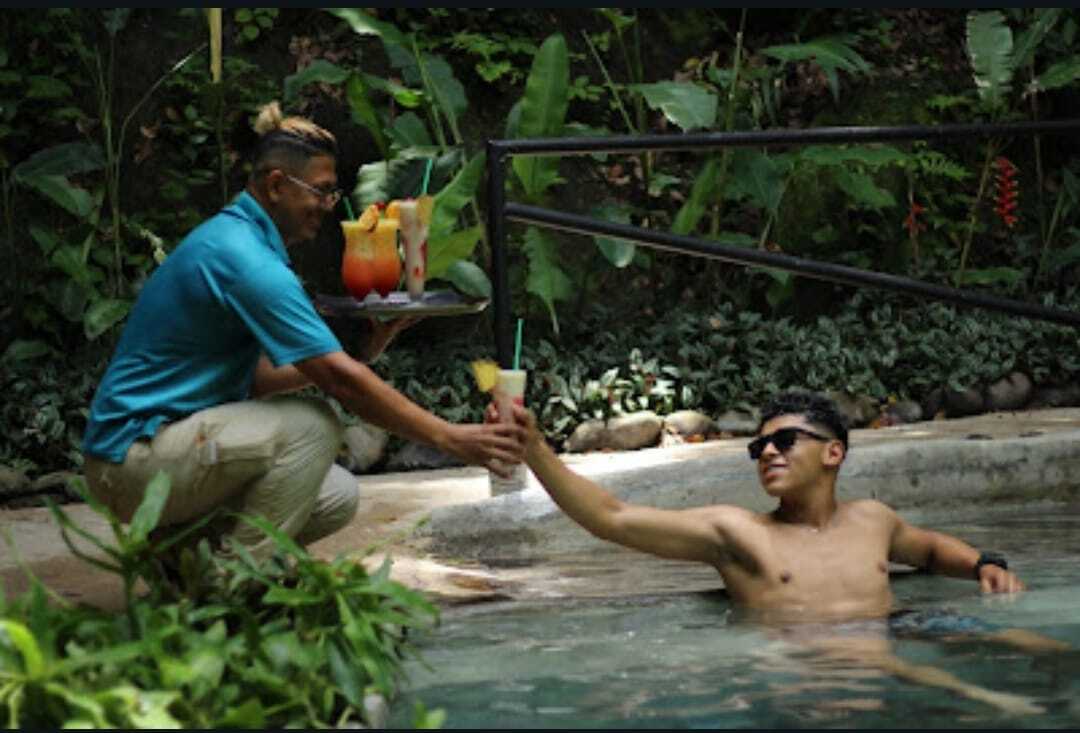
Vandara is also promoted for outdoor adventure and thermal experiences. That variety can suit a group with different interests, but it makes priorities important. If coffee and sugarcane are the reason you chose the outing, ask where they fit before agreeing to a schedule dominated by other activities.
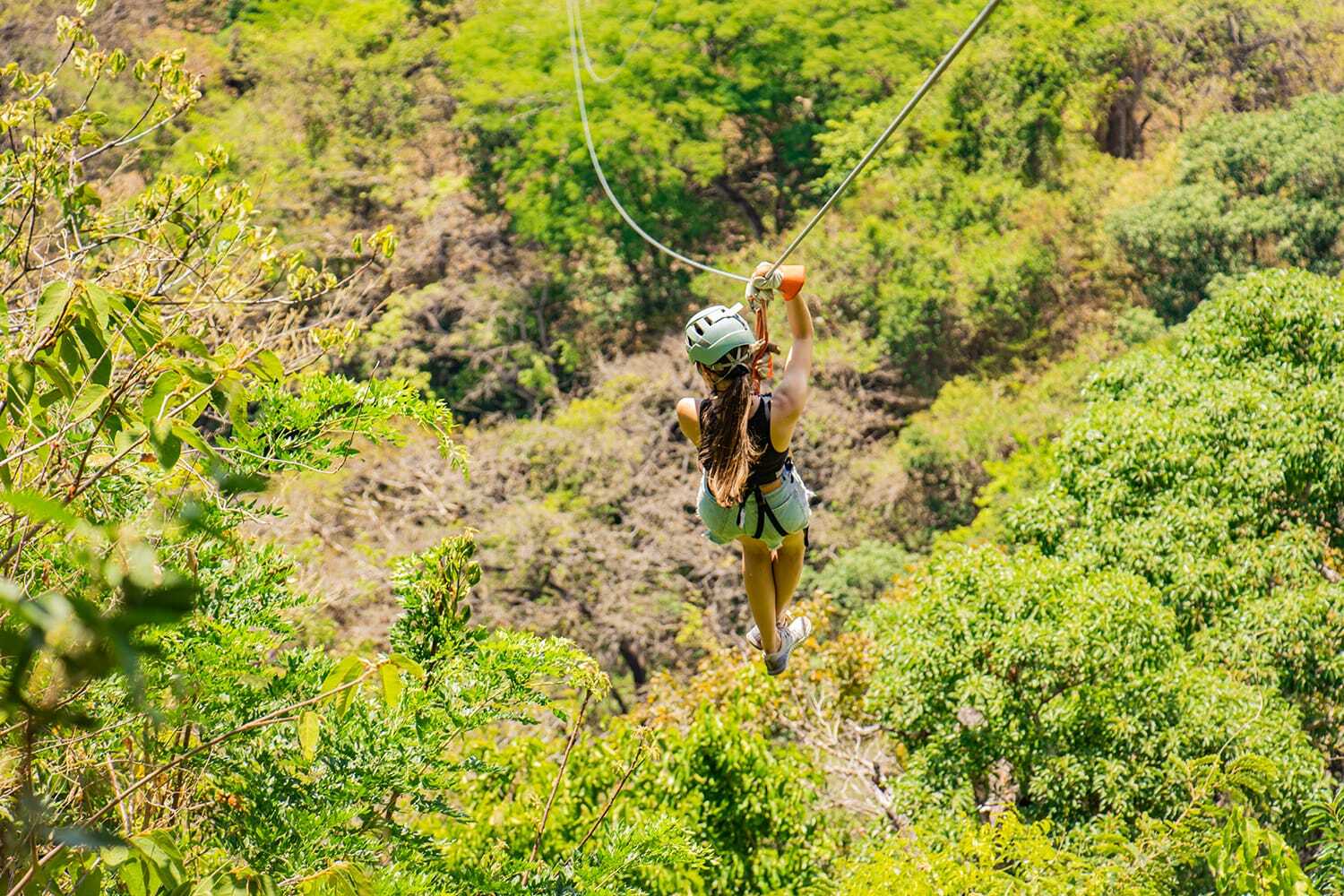
Think in terms of three priorities: the cultural stop you do not want to miss, one additional activity you would particularly enjoy, and enough time for a comfortable lunch and return. This is a planning framework, not a fixed park itinerary. Ask the operator to turn it into a realistic sequence using the current program.
If someone wants to skip riding or ziplining, ask where they would wait and how the group would reunite. Private transportation does not necessarily mean private use of each facility or a dedicated cultural demonstration. Clarify those details if a quiet experience or extra time for questions matters to you.
Prepare for food, comfort and conversation
Tell your planner about food allergies and dietary restrictions before the outing. Ask specifically about the items served at the cultural stop as well as lunch. Do not infer ingredients from a pastry's appearance or assume that a small tasting can be adapted on arrival. Anyone avoiding alcohol should make that preference clear; an alcoholic tasting is not a necessary part of enjoying the cultural experience.
Pack for the activities you have actually booked. Keep a camera or phone accessible for the demonstration, and protect it appropriately if your day includes water activities. Ask about storage and changing facilities before bringing a large bag. Shoes should suit the confirmed walking and activity requirements, rather than only the coffee stop.
Language also affects the experience. If you want detailed explanations in English, mention that when arranging the tour. A demonstration can be enjoyable to watch, but understanding the host's explanation makes questions about ingredients and techniques much easier.
Questions to settle before leaving Playas del Coco
Request a written outline that identifies your pickup point, included services, cultural activities and return plan. If you are staying in a rental property, provide the exact location rather than only the town name. Confirm whether transportation and guiding are part of your selected arrangement.
Then ask which details remain flexible. Weather, activity sequencing or the day's operation may affect the program; knowing your priority helps the planner explain suitable alternatives. Avoid adding another distant stop simply because there appears to be a spare hour on paper. A cultural visit benefits from attention, and an overfilled day can make its most interesting part feel rushed.
Frequently asked questions
Is the Vandara cultural tour a coffee plantation tour?
The destination describes traditional coffee preparation within its cultural experience. That does not establish that a plantation, harvest, processing or roasting tour is included. Ask for a specialist itinerary if those production stages are your main interest.
Can I focus on culture and skip adventure activities?
Explain that preference before booking and request the available options. Confirm the cultural component, waiting arrangements and relevant pass rather than assuming that every combination can be customized on arrival.
Are all the tastings guaranteed?
Use the destination's descriptions as a guide to the experience, then confirm the current program and dietary arrangements for your date. Specific ingredients, substitutions and individual tastings should not be assumed.
How do I arrange the trip from Coco?
Review the Vandara excursion, then use Plan Your Tour to share your date, accommodation, group size and interest in coffee and sugarcane. Ask Private Costa Rica to confirm a program that gives those interests enough time. A clear priority is the best starting point for a day you will enjoy remembering.